
Visit My Blog:
 |  |  |
Intermittent Fasting: Small Changes, Big Benefits
Short, gentle fasting windows can support healthier cholesterol, reduce inflammation, and switch on deep cellular repair — without extreme dieting.
Time-Restricted Eating: A Simple Start for Older Adults
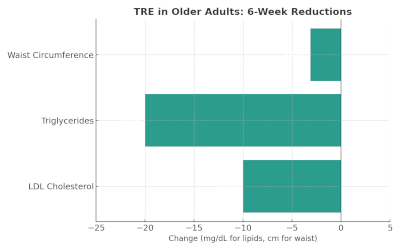
In a recent study of adults aged 65–74, researchers found that a simple time-restricted eating (TRE) routine—where meals are eaten within a set window each day—led to reductions in body fat, BMI, and waist size in just six weeks. These are practical markers of healthier aging, and the best part is that TRE is simple to try.
🌿 Getting Started with Fasting at 70+ Step-by-Step: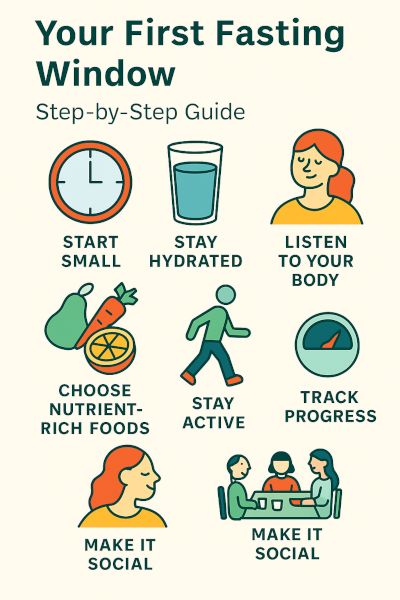
🌟 Practical Tips for Seniors Starting Fasting
The studies showed that simply shrinking your eating window each day (while still enjoying nourishing foods) can improve waist size, body fat, and metabolism. Here’s how you can ease into it:
Step-by-Step: How to Begin Fasting Safely
Start Small: Begin with a 12-hour eating window (e.g., 8:00 am – 8:00 pm). Gradually shorten to 10 or 8 hours.
1) STUDY – Time‑Restricted Eating Helps Older Adults (65–74)
In a randomized trial of adults aged 65–74, a 6‑week time‑restricted eating (TRE) routine reduced body fat, BMI and waist circumference — practical markers of metabolic health for healthy aging.
Read the study: Scientific Reports (older‑adult TRE RCT)
🌟 More Practical Tips for Seniors Starting Fasting
Start slowly: Begin with a gentle window like 12 hours (for example, 7 pm to 7 am) and only shorten it if you feel comfortable.
Hydrate well: Keep a glass of water or herbal tea nearby—hydration makes fasting easier.
Listen to your body: Mild hunger is normal, but dizziness or weakness means you should pause and eat.
Enjoy balanced meals: Focus on protein, vegetables, and healthy fats during eating times to feel satisfied.
Stay social: Share mealtimes with family or friends—it makes fasting more enjoyable and sustainable.
2) STUDY – Alternate‑Day Fasting Improves Cardiometabolic Markers
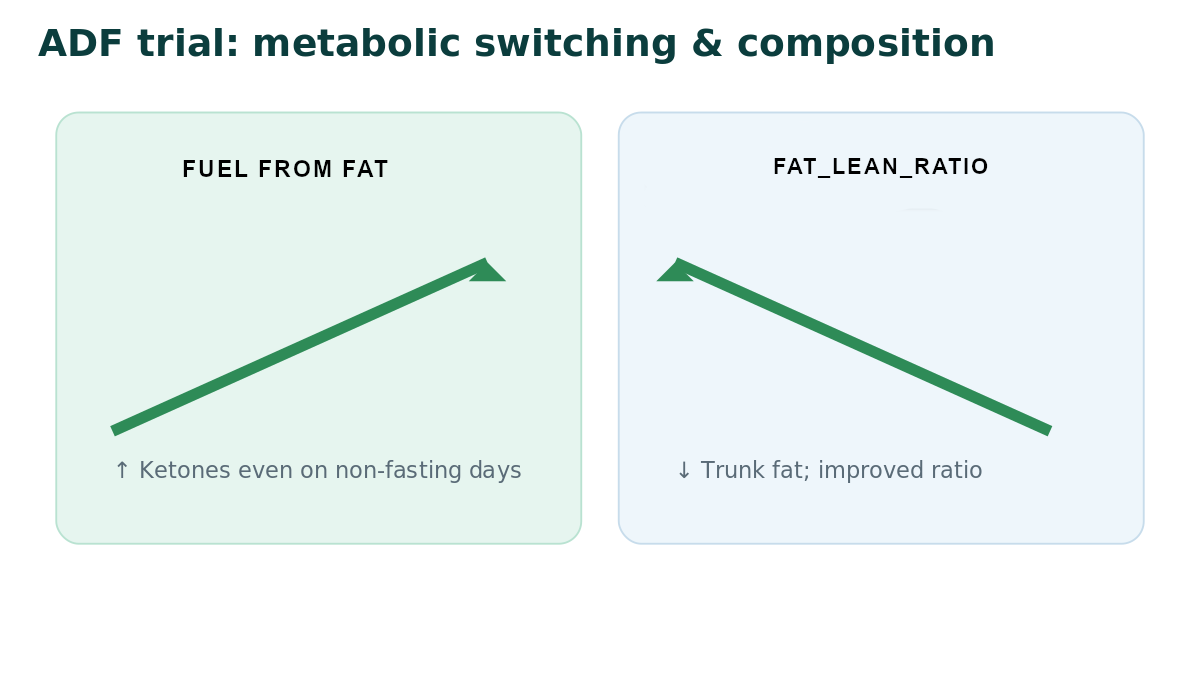
In healthy adults, alternate‑day fasting (ADF) improved cardiovascular markers and body composition and increased β‑hydroxybutyrate — a ketone associated with metabolic switching and repair.
Read the study: Cell Metabolism RCT | PDF
3) STUDY – How Fasting Works Under the Hood
Metabolic switching & cellular repair: A medical review in the New England Journal of Medicine explains how fasting shifts the body from glucose to fat/ketone use and triggers autophagy — the cleanup of damaged cellular components linked to healthy aging.

Read the review: NEJM
4) STUDY – Inflammation: Network Meta‑Analysis Finds Benefits
Across randomized trials, intermittent fasting modes lowered inflammatory markers such as TNF‑α and CRP. Findings suggest some advantage for TRE/5:2 on specific markers.

Read the meta‑analysis: Nutrients
Getting Into Fasting — The Gentle Way
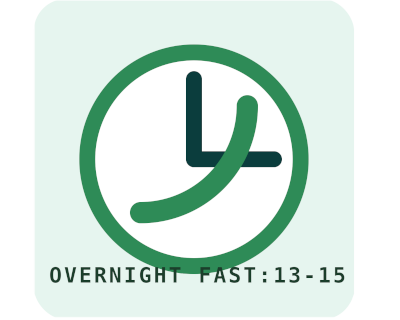
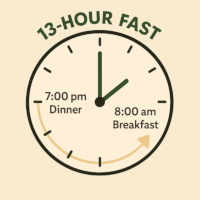
- Start small: Try 13–15 hours overnight (e.g., dinner 6:30 pm, first meal 8:30–9:30 am). Based on older‑adult TRE evidence.
- Nourish wisely: Focus on protein, healthy fats, and fiber‑rich vegetables.
- Protect muscle: Light resistance training or daily walks pair well with fasting.
🔑 Key Takeaways for Seniors
Intermittent fasting is not about restriction—it’s about giving your body a chance to reset. Research shows that even modest fasting routines can support better health in older adults. Here are some of the main improvements seniors often notice:
- Weight control: Fasting helps reduce body fat and waist size, easing strain on joints.
- Better blood sugar balance: Improves glucose control, lowering risk of type 2 diabetes.
- Heart health: Supports healthier cholesterol and blood pressure levels.
- Reduced inflammation: May ease arthritis symptoms and promote mobility.
- Cellular repair: Fasting stimulates the body’s natural “clean-up” process, supporting healthy aging.
- Energy and clarity: Many seniors report more consistent energy and improved focus.
Remember: Start slowly, listen to your body, and talk with your doctor if you’re on medications. Small, steady steps can lead to meaningful long-term benefits.
Disclaimer: Intermittent fasting isn’t suitable for everyone. Consult a healthcare professional before changing your eating pattern, especially if you take medications or have medical conditions.
References
- Older‑adult TRE RCT: Scientific Reports (PDF)
- ADF human RCT: Cell Metabolism | PDF
- Mechanisms review: NEJM
- Inflammation meta‑analysis: Nutrients